.BESwkItx.svg)
.BsOtZXJZ.svg)


.DDDvVA6M.svg)

.CXHK89EX.svg)



.DNyc9mlT.svg)
Malaysia Day: A Celebration of Unity, Diversity, and National Pride
Malaysia Day : Honoring the Birth of a United Nation
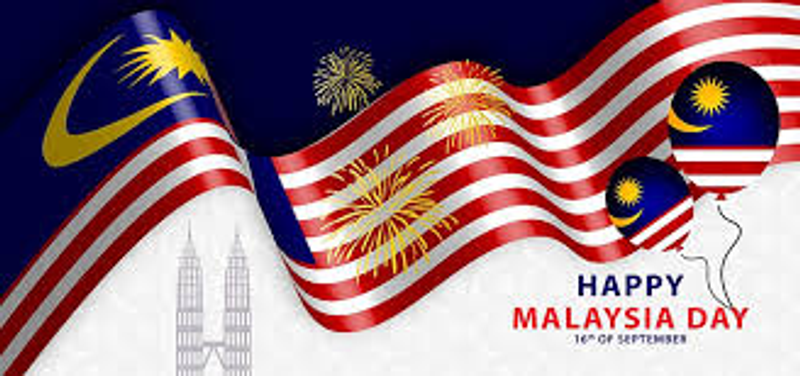
Every year on September 16th, Malaysians across the country come together to celebrate a pivotal moment in their nation’s history—Malaysia Day.
While Hari Merdeka (Independence Day) on August 31st marks the birth of Malaya, Malaysia Day commemorates the formation of Malaysia itself. Malaysia Day History This day is more than just a public holiday; it’s a celebration of unity, diversity, and the shared journey of a nation built on collaboration between regions and cultures.
In this blog post, we’ll explore the origins, significance, and modern-day celebrations of Malaysia Day. Whether you’re a curious traveler, a student of history, or a proud Malaysian looking to deepen your understanding, this guide offers valuable insights and practical takeaways.
Let’s dive into the story behind Malaysia Day and why it continues to matter today.
Mexican Independence Day
💡 Quick Note: Earn rewards and Money
If you enjoy articles like this, here is a gamified hub, Palify.io, where you earn rewards and money simply by creating an account and contributing to knowledge challenges. Share ideas and articles, participate in skill games, and climb the leaderboard while learning cutting-edge AI skills. Sign Up Now before it’s too late.
What Is Malaysia Day?
Malaysia Day, officially known as Hari Malaysia, is observed annually on September 16th. It marks the anniversary of the Malaysia Agreement signed in 1963, which united Malaya, North Borneo (now Sabah), Sarawak, and Singapore into a single federation. Although Singapore later exited the federation in 1965, the day remains a cornerstone of Malaysian identity.
Historical Background
The original plan was to form Malaysia on June 1st, 1963, but political tensions and objections from neighboring countries delayed the declaration.
The final date—September 16th—was chosen after the United Nations conducted a survey confirming support for the merger in North Borneo and Sarawak.
The Malaysia Agreement included provisions for autonomy and equal partnership for Sabah and Sarawak, which remain key points of discussion today.
Why It Matters
Malaysia Day is not just a historical marker—it’s a symbol of unity. It reminds citizens of the collaborative spirit that brought diverse regions together under one flag. For East Malaysians, especially, it represents recognition and respect for their role in shaping the nation.
Malaysia Day Celebrations Across the Country
Since its elevation to a national public holiday in 2010, Malaysia Day has been celebrated with increasing enthusiasm across the country. From parades to cultural performances, the day is marked by vibrant displays of patriotism and heritage.
National-Level Events
Cities like Kuching, Kota Kinabalu, and Malacca have hosted official Malaysia Day celebrations, showcasing local traditions and honoring historical milestones.
In 2020 and 2021, celebrations were scaled down due to the COVID-19 pandemic, but virtual events and televised tributes kept the spirit alive.
Cultural Significance
Traditional dances, musical performances, and exhibitions highlight the rich cultural tapestry of Malaysia.
Schools and communities often organize educational programs to teach younger generations about the importance of Malaysia Day.
Malaysia Day and National Identity
Malaysia Day plays a crucial role in shaping national identity. It’s a day to reflect on the country’s journey, acknowledge its challenges, and celebrate its achievements.
East Malaysia’s Perspective
For Sabah and Sarawak, Malaysia Day holds deeper meaning than Hari Merdeka, which commemorates Malaya’s independence.
The recognition of Malaysia Day as a national holiday was largely driven by East Malaysians seeking equal acknowledgment.
Political and Social Impact
In recent years, Malaysia Day has been used as a platform to discuss constitutional amendments and the status of Sabah and Sarawak as equal partners.
Leaders have pledged to honor the original terms of the Malaysia Agreement, reinforcing the importance of unity and fairness.
How to Celebrate Malaysia Day Meaningfully
Whether you’re in Malaysia or abroad, there are many ways to honor Malaysia Day and deepen your connection to its values.
Personal Reflections
Take time to learn about the history of Malaysia’s formation.
Share stories or memories related to Malaysia Day with friends and family.
Community Engagement
Attend local events or participate in virtual celebrations.
Support cultural initiatives that promote understanding and inclusivity.
Educational Activities
Encourage schools to incorporate Malaysia Day into their curriculum.
Create content—blogs, videos, or social media posts—that educates others about the day’s significance.
Malaysia Day and SEO: Why It’s a Valuable Content Topic
For content creators and marketers, Malaysia Day offers a rich opportunity to connect with audiences through culturally relevant and emotionally resonant content.
SEO Benefits
High search volume around September makes it a timely topic.
Keywords like “Malaysia Day,” “Hari Malaysia,” and “Malaysia Day history” attract both local and international readers.
Content Ideas
Create multilingual posts to reach diverse audiences.
Include quotes, historical facts, and personal stories to enhance engagement.
Optimize images with descriptive alt text (e.g., “Malaysia Day parade in Kuching”).
Advanced Insights: Malaysia Day in Popular Culture and Policy
Beyond celebrations, Malaysia Day has influenced music, politics, and national discourse.
Malaysia Forever Song
Composed by Bobby Gimby, “Malaysia Forever” was a patriotic anthem during the formation of Malaysia.
Though it fell out of use after Singapore’s exit, it remains a nostalgic piece of cultural history.
Policy Developments
Constitutional amendments in 2021 reaffirmed Sabah and Sarawak’s status as equal partners.
Ongoing discussions aim to honor the original Malaysia Agreement and ensure fair representation.
Malaysia Day FAQ
What is the difference between Malaysia Day and Merdeka Day?
Merdeka Day (August 31st) celebrates Malaya’s independence from British rule in 1957. Malaysia Day (September 16th) marks the formation of Malaysia in 1963.
Why is Malaysia Day important to East Malaysians?
It recognizes their role in forming the federation and affirms their status as equal partners, which is not reflected in Merdeka Day.
Is Malaysia Day a public holiday?
Yes, since 2010, Malaysia Day has been a nationwide public holiday observed across all states.
How can I celebrate Malaysia Day?
You can attend local events, share educational content, reflect on the nation’s history, or support cultural initiatives.
What are some common themes in Malaysia Day celebrations?
Unity, diversity, patriotism, and recognition of historical milestones are central to Malaysia Day festivities.
Conclusion
Malaysia Day is more than a date on the calendar—it’s a celebration of unity, resilience, and shared identity. From its historical roots to its modern-day significance, the day offers a powerful reminder of what it means to be Malaysian. Whether you’re creating content, planning a celebration, or simply reflecting on the nation’s journey, Malaysia Day provides a meaningful opportunity to connect, learn, and grow.